
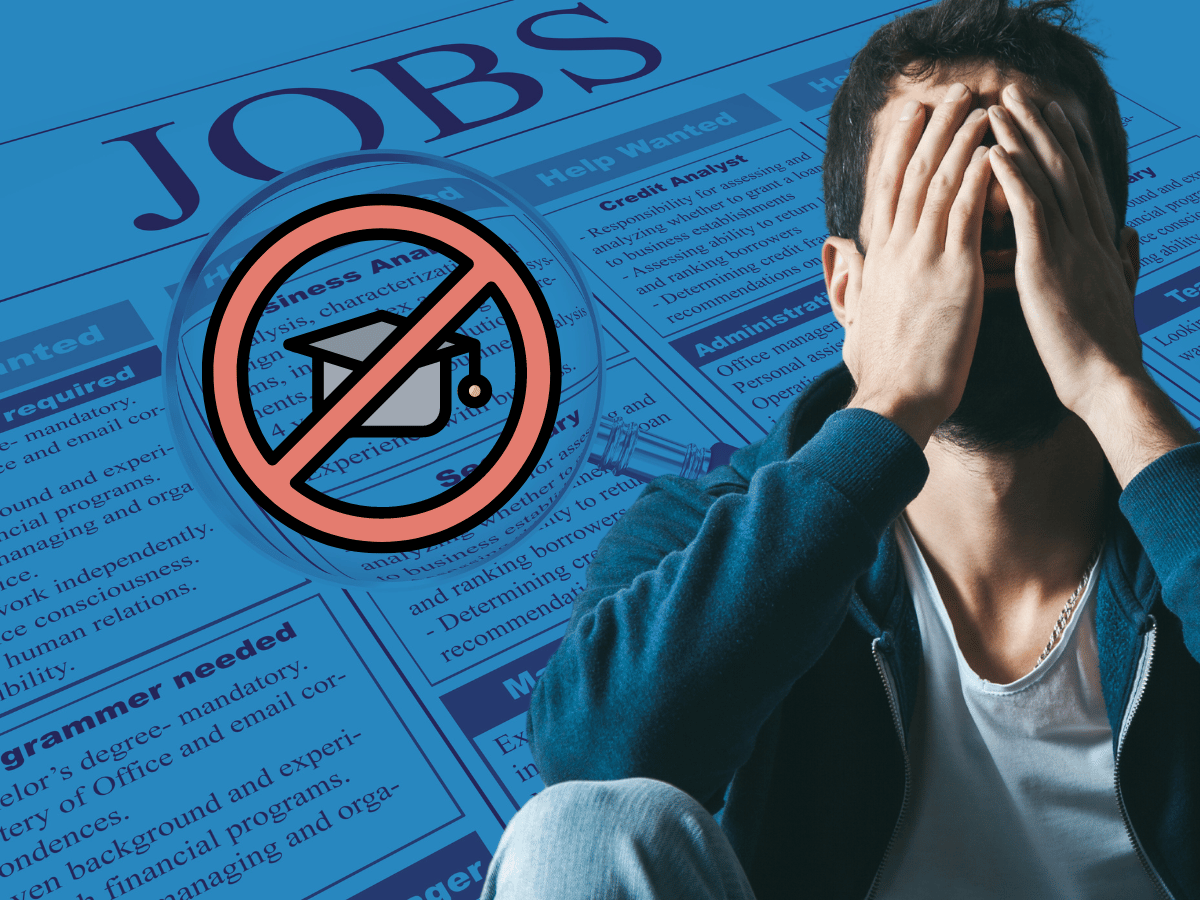
High school dropout rates have been a persistent issue in education systems around the world. According to the National Center for Education Statistics (NCES), the dropout rate in the United States was 5.3% in 2020, which represents a decline from previous years. However, the impact of not obtaining a high school diploma can have serious consequences on various aspects of an individual’s life, including their health. In this article, we will explore how a lack of a high school diploma can negatively impact health, including limited employment prospects, low wages, and poverty, and why most people drop out of high school due to school-related, family-related, and employment-related issues.
Limited Employment Prospects
Obtaining a high school diploma is often considered a minimum requirement for entry into the workforce. Without a diploma, individuals may face significant challenges in finding employment opportunities. Many employers have minimum educational requirements, and a lack of a diploma can automatically disqualify a candidate from consideration. This can severely limit an individual’s employment prospects, leading to reduced job opportunities and increased competition for low-skilled, low-paying jobs.
Low Wages
Even if individuals without a high school diploma are able to find employment, they often face lower wages compared to those with a diploma. According to data from the Bureau of Labor Statistics (BLS), in 2020, the median weekly earnings for someone without a high school diploma was $592, compared to $746 for someone with a high school diploma, representing a difference of $124 per week or over $4,400 per year. This wage disparity can result in financial instability and make it difficult for individuals to meet their basic needs, such as housing, healthcare, and nutrition.
Poverty
The combination of limited employment prospects and low wages can lead to a higher risk of poverty for individuals without a high school diploma. Poverty is associated with a range of negative health outcomes, including increased rates of chronic diseases, mental health issues, and reduced access to healthcare. Studies have shown that individuals with lower levels of education are more likely to live in poverty and experience health disparities compared to those with higher levels of education.
Dropout Rates: Are They Going Up or Down?
Over the past decade, there has been a decline in the dropout rate in the United States. According to the NCES, the national dropout rate decreased from 6.1% in 2010 to 5.4% in 2020. This trend is encouraging, as it suggests that efforts to improve high school graduation rates and educational attainment are having a positive impact. However, it’s important to note that dropout rates can vary significantly by demographic factors, such as race, income, and location.
Reasons for Dropping Out
There are several reasons why individuals may drop out of high school, and these reasons can vary depending on the individual’s circumstances. Some common reasons for dropping out include:
- School-related issues: Academic difficulties, lack of interest or motivation in school, feeling disconnected from school, bullying, and discipline issues can all contribute to a student’s decision to drop out.
- Family-related issues: Family responsibilities, such as taking care of younger siblings or working to support the family, can be a significant barrier to completing high school. Additionally, family instability, including divorce, relocation, and homelessness, can disrupt a student’s educational progress.
- Employment-related issues: Some students may drop out of school to enter the workforce and help support themselves or their families financially. Limited job prospects or the need to work to contribute to household income can be strong motivators for leaving school early.
In conclusion, obtaining a high school diploma is a critical milestone for individuals to succeed in today’s competitive job market and lead a healthy, fulfilling life. A lack of a high school diploma can negatively impact health through limited employment prospects, low wages, and increased risk of poverty. Despite a decline in dropout rates in the past decade, there are still challenges that contribute to students dropping out of high school, including school-related, family-related, and employment-related issues.
Efforts to address high school dropout rates should focus on providing support and resources to students facing academic difficulties, creating a positive and inclusive school environment, addressing family-related challenges, and promoting access to educational and employment opportunities. Interventions such as mentoring programs, academic support services, vocational training, and community partnerships can help improve graduation rates and increase the likelihood of students obtaining a high school diploma.
In addition, high school diploma is crucial for individuals to have better employment prospects, higher wages, and improved overall health and well-being. It is important for policymakers, educators, and communities to work together to address the root causes of high school dropout rates and provide support and resources to help students overcome challenges and succeed in their educational journey.
